(514) 421-7138
(514) 421-7138
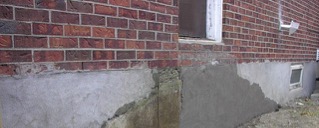
If you are browsing this site it most likely means that you have water in your basement. Below is a list of possible problems that might cause water infiltration.
To start, you need to pinpoint exactly where the water is coming from. This is easy to do if your basement wall is not finished and the cement wall is visible. But if you have a finished basement, then you need to investigate where the water is coming from. Is it actually coming from the wall or is it coming in from around the window or somewhere else?
There are two types of foundations that we waterproof: poured cement (concrete) and cinder block foundation. If water is coming from a cinder block foundation wall we will need to waterproof the exterior wall, which usually means excavating down to the footing and applying a waterproofing membrane (not to be confused with damp proofing; a spray application which is not recommended). Repairing a cinder block foundation from the inside usually is just a patch job and you should not attempt such a repair. Depending on the drainage system around the house, you might also require an exterior french drain.

FOUNDATION PROBLEMS
The primary mission of Injection Classique is to aid home and business owners in maintaining the quality and longevity of their property by identifying and fixing problems in building foundations.
Founded in 1992 by Marc Don and the late Bob Cliffe, Injection Classique specializes in waterproofing and foundation repairs that become necessary as a result of water leaking into a building through its foundation.
The team at Injection Classique is made up of dedicated, trained professionals who will use their skill and knowledge to ensure that your property is in perfect condition. Most of our clients reside within the Greater Montreal Area, with our primary client base being in the West Island. However, we do provide services to those living outside this region and in those situations (depending on the distance) we might have to charge a small traveling fee. We provide timely, professional service to help property owners address their foundation needs. With years of experience in the field.
As a homeowner the first order of business is to make sure that your biggest investment is well taken
care of.
Water infiltration and foundation cracks are common problems in older and even newer homes. Founded in 1992, Injection Classique specializes in foundation repairs and waterproofing.
Owner Marc Don has been in the field of waterproofing basements since 1986. Injection Classique has successfully repaired over a thousand faulty foundations in and around the Greater Montreal Area.
There are many foundation problems, with the most common being foundation cracks. The links will guide you through this website and explain various foundation problems and how we repair them.
If you choose to have Injection Classique repair your foundation or leaking problems you will receive a 10 Year Guarantee.
We take great pride in honouring our guarantee because customer satisfaction is our top priority. If a situation arises where it is necessary to re-visit past work sites, Injection Classique will ensure that any problems are fixed to your complete satisfaction as soon as possible.
We offer a Transferable Guarantee on all our work. This is important if you plan on putting your house on the market and want to show your potential buyers that everything has been taken care of.
No matter who owns the house, our guarantee stays with the home. When someone is looking to buy a house, they will most likely get an inspector to make sure that there are no problems. If there are problems a potential buyer may walk away and look elsewhere.
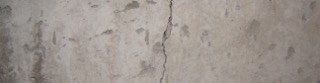
Foundation Cracks / Cold Joints
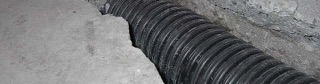
French Drain
Inlet Pipes
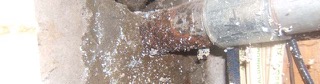
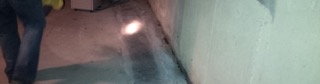
Seam Leaks
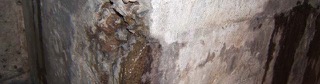
Honeycombing
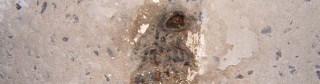
Form Pins
PO Box 154, SP St-Charles, Kirkland, Quebec, H9H 0A3
514 421-7138
597 De La Cigale, St-Lazare, Quebec, J7T 2B3
1-855-421-7138
support@injectionclassique.com
RBQ #: 5604-0975-01

295, Rue Du Pont, #9
Ste-Genevieve Québec, Canada, H9H 2P8
(514) 421-7138